In this guide
- 1. Nostalgia: We Miss More Than Karate
- 2. Camaraderie: We Miss Having a Place Where We Belong
- 3. Fitness: Karate Challenges You in Ways the Gym Doesn't
- 4. Karate Never Leaves You
- 5. My Personal Experience: Karate Was My Safe Place
- 6. Why I'm Returning to Karate at 40
- The Bottom Line: You Don't Have to Start Over. Just Start Again.
Karate never really leaves you. That's what my sensei used to tell me, and now that I'm 40, I'm beginning to understand exactly what he meant.
If you practiced karate growing up, you might recognize the feeling. Even after 10, 20, or 30 years, something keeps pulling you back toward the dojo.
The big picture: I believe there are four reasons adults return to karate: nostalgia, camaraderie, fitness, and the lasting impact of training.
1. Nostalgia: We Miss More Than Karate
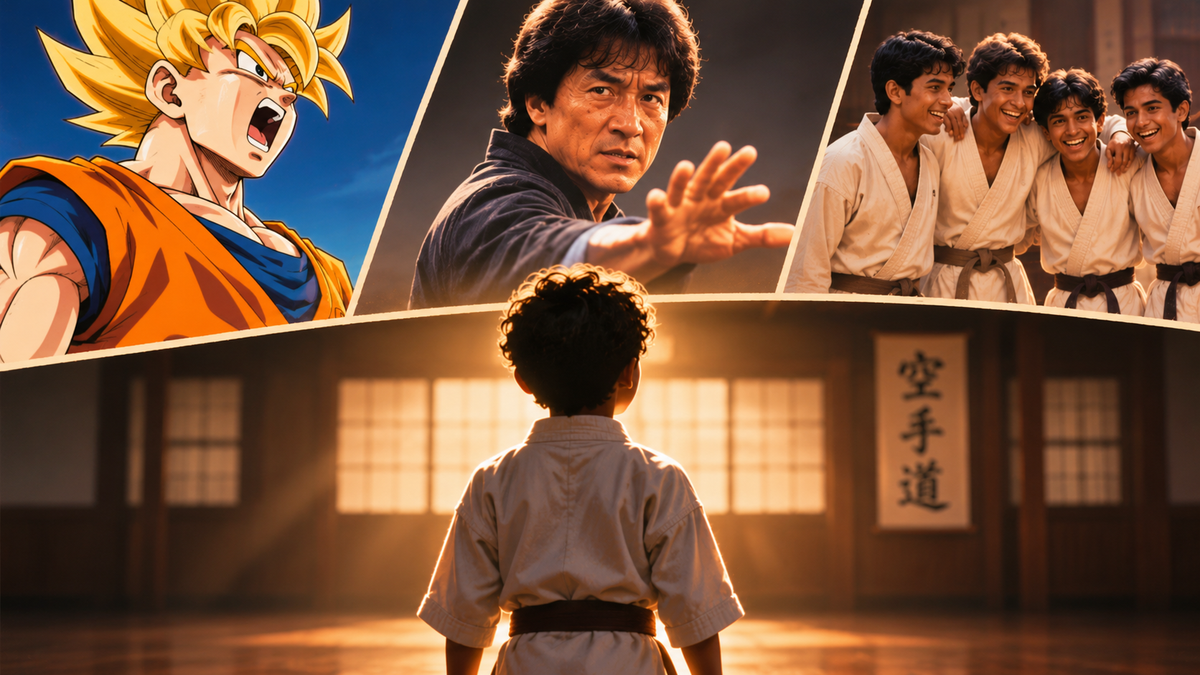
Nostalgia is a powerful motivator. We’re naturally drawn to periods of our lives tied to happiness, friendships, and meaningful experiences.
For me, karate brings back memories of growing up in the 1990s, when martial arts seemed to be everywhere.
- Dragon Ball Z: Watching the Saiyans push beyond their limits inspired me to train harder.
- 1990s action movies: Martial arts films made karate seem exciting, powerful, and worth mastering.
- The dojo: Training with friends, learning new techniques, and progressing through the ranks gave me something to look forward to every week.
Why it matters: Returning to karate isn't necessarily about wanting to be young again. It's about reconnecting with experiences that helped shape who we became.
I don't expect to recreate my childhood dojo experience, and I know those days are gone. But I can still rediscover the joy of practicing something I once loved.
2. Camaraderie: We Miss Having a Place Where We Belong
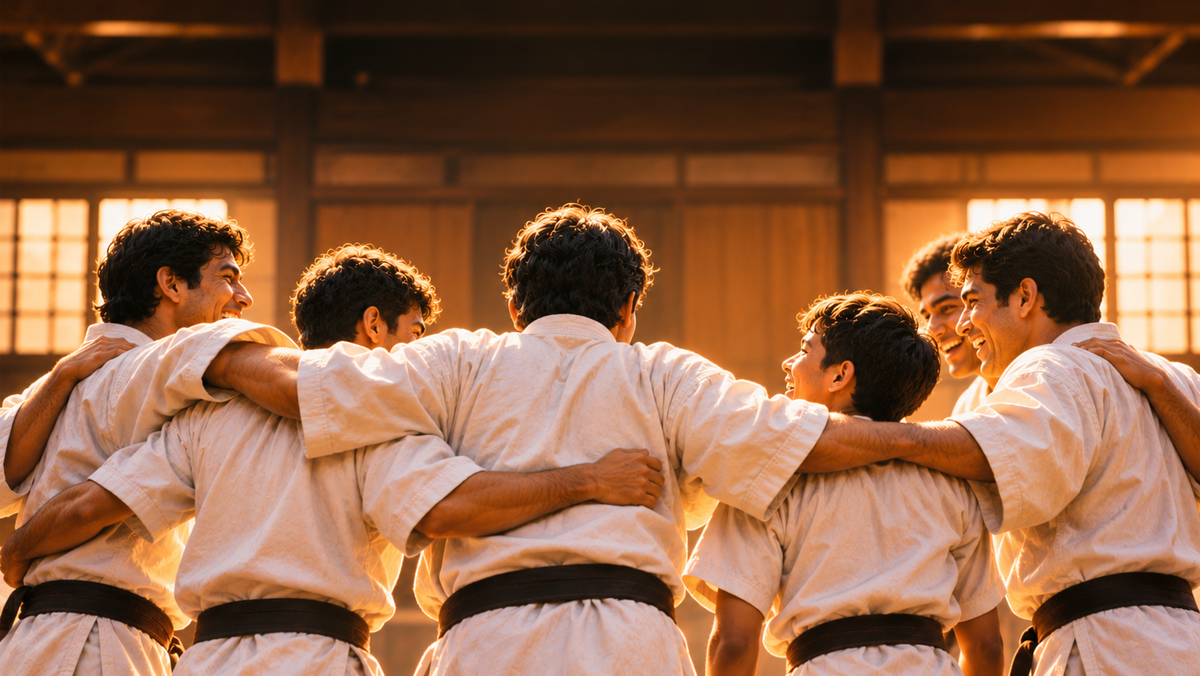
One of the things I miss most about karate is the camaraderie. There's something special about regularly showing up to a place where everyone is working toward becoming better.
As adults, we have plenty of social interactions through work, family, church, and other responsibilities. But being around people doesn't necessarily mean we're building close friendships with those who share our interests.
The difference: A dojo creates friendships through shared effort and experiences.
- Shared challenges: You struggle through difficult workouts, learn techniques, and encourage one another.
- Regular interaction: Seeing the same people several times a week creates opportunities for friendships to develop naturally.
- Mutual respect: Training with people of different ages, backgrounds, and abilities teaches you to appreciate their efforts.
- Friendships beyond karate: The relationships you build can extend outside the dojo into other areas of life.
When I was younger, the dojo was one of the few places where I genuinely felt I belonged. I was quiet and introverted, but karate gave me a way to connect with people without needing to be particularly outgoing.
Why it matters: Sometimes what we miss isn't just the activity. It's the community that came with it.
Returning to karate could mean finding that sense of belonging again, even if the people and environment are different.
3. Fitness: Karate Challenges You in Ways the Gym Doesn't
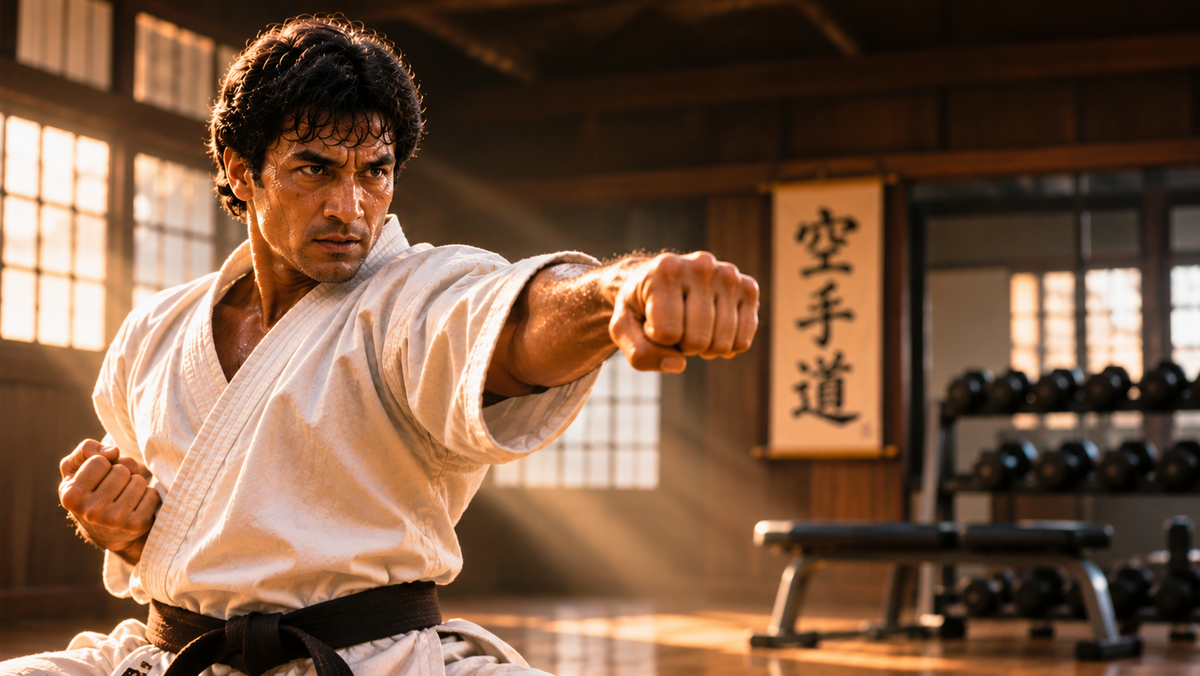
I've spent plenty of time lifting weights and working out in gyms. While I appreciate the benefits, I sometimes find traditional workouts monotonous.
Most of my gym goals revolve around a few measurable outcomes:
- Getting stronger.
- Building muscle.
- Losing body fat.
- Improving cardiovascular fitness.
Those are worthwhile goals, but karate offers something different. It gives you an almost endless variety of physical and technical challenges.
The big difference: Karate isn't just about improving your body. It's about improving what your body can do.
How Karate Challenges Your Body
- Kata: Develops coordination, balance, concentration, and muscular endurance. Practicing kata repeatedly at an appropriate intensity can also challenge your cardiovascular fitness.
- Kihon: Builds technical precision, coordination, and muscular endurance through repeated punches, kicks, blocks, and stances.
- Kumite: Adds reaction time, timing, distance management, and potentially intense cardiovascular conditioning through sparring.
- Calisthenics: Push-ups, squats, core exercises, and other bodyweight movements can help build the strength and endurance needed for training.
But the physical benefits are only part of the appeal. Karate also gives you opportunities to improve that have nothing to do with how much you weigh or how much you can lift.
There's Always Something New to Master
You can challenge yourself by:
- Learning a new kata or improving one you already know.
- Developing deeper, more stable stances.
- Increasing the speed and precision of your punches and kicks.
- Refining techniques you've practiced for years.
- Improving your timing, distance, and reactions in kumite.
- Applying your coordination and conditioning to other martial arts or sports.
Why it matters: Karate gives you goals beyond appearance and strength. You can continue improving your skills even when your physical capabilities change with age.
For me, that makes training much more interesting. I want to become fitter, but I also want to become a better karate practitioner.
4. Karate Never Leaves You
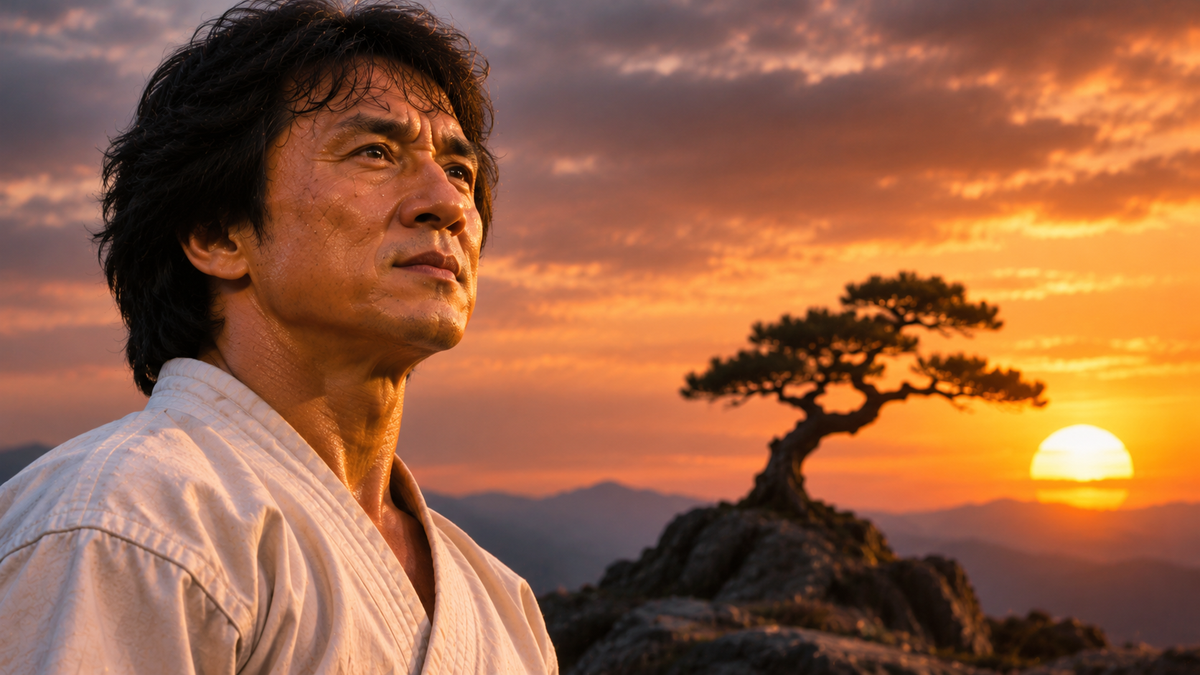
My sensei used to say something that has stayed with me throughout my life: "Karate never leaves you."
At the time, I didn't fully understand what he meant. Now, after years away from consistent training, those words feel more meaningful than ever.
I believe there are three reasons for that:
- Muscle memory: Movements you've practiced thousands of times may become easier to relearn, even after a long break.
- Memories: You remember the people, experiences, and achievements that made karate meaningful.
- Identity: Once karate has played an important role in your life, it can remain part of how you see yourself.
Recently, I've been following karate Tabata workouts on YouTube. The first attempt can be exhausting, the second sometimes feels even harder, but by the third session, I often begin to find my rhythm.
Some movements come back naturally, while others require practice. It's a reminder that although my conditioning has changed, my experience hasn't completely disappeared.
The takeaway: You may lose some speed, flexibility, and conditioning, but you don't necessarily lose everything you've learned.
Karate may have been absent from your schedule for years, but that doesn't mean it stopped being part of your life.
5. My Personal Experience: Karate Was My Safe Place
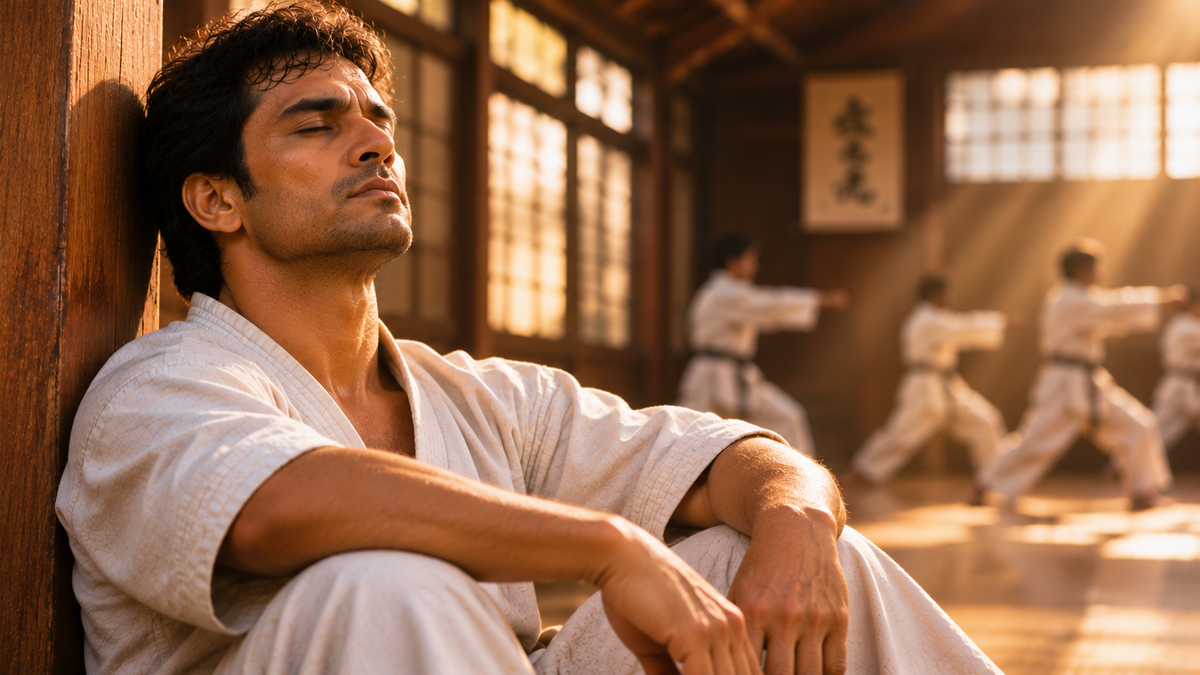
I was around 13 when karate became one of the most important parts of my life. I was short, stocky, introverted, and regularly bullied at school.
At one point, I struggled so much that I experienced suicidal thoughts. Karate didn't solve all my problems, but it gave me a place where I felt safe, supported, and capable of becoming stronger.
What changed: I didn't become a great fighter overnight, and I never fought my bully. Instead, karate gradually gave me the confidence to believe I could handle difficult situations.
It also gave me something I looked forward to every week.
The Dojo Was More Than a Place to Train
My sensei became an important father figure in my life. My own father loved me and worked incredibly hard to support our family, sometimes working 18-hour days, but that meant he wasn't around very often.
My father paid for my karate lessons, and I'm grateful he made that possible. My sensei, meanwhile, became someone I saw regularly and looked up to.
When I had a particularly difficult day, I would sometimes ask my sensei if I could spend a few minutes hitting the punching bag. He would let me train for five or ten minutes until I'd released some of the frustration I was carrying.
It was like crying without tears.
I was still quiet and introverted outside the dojo, but karate gave me an outlet for emotions I didn't know how to express. It also gave me friendships, structure, and the experience of improving at something through consistent effort.
Why Sports Matter for Young People
Looking back, I believe karate provided many of the benefits that organized sports can offer young people:
- Belonging: Being part of a team or training community.
- Confidence: Discovering abilities through practice and progress.
- Mentorship: Building relationships with coaches and instructors who provide encouragement.
- Emotional regulation: Having a constructive outlet for stress and frustration.
- Resilience: Learning to manage setbacks, mistakes, and difficult challenges.
Of course, sports aren't a substitute for mental health care, and not every child will have the same experience. But a supportive coach and a positive training environment can make an enormous difference.
Why it matters: Sometimes a sport becomes more than a hobby. It becomes a place where a young person discovers who they can become.
That's what karate was for me.
6. Why I'm Returning to Karate at 40
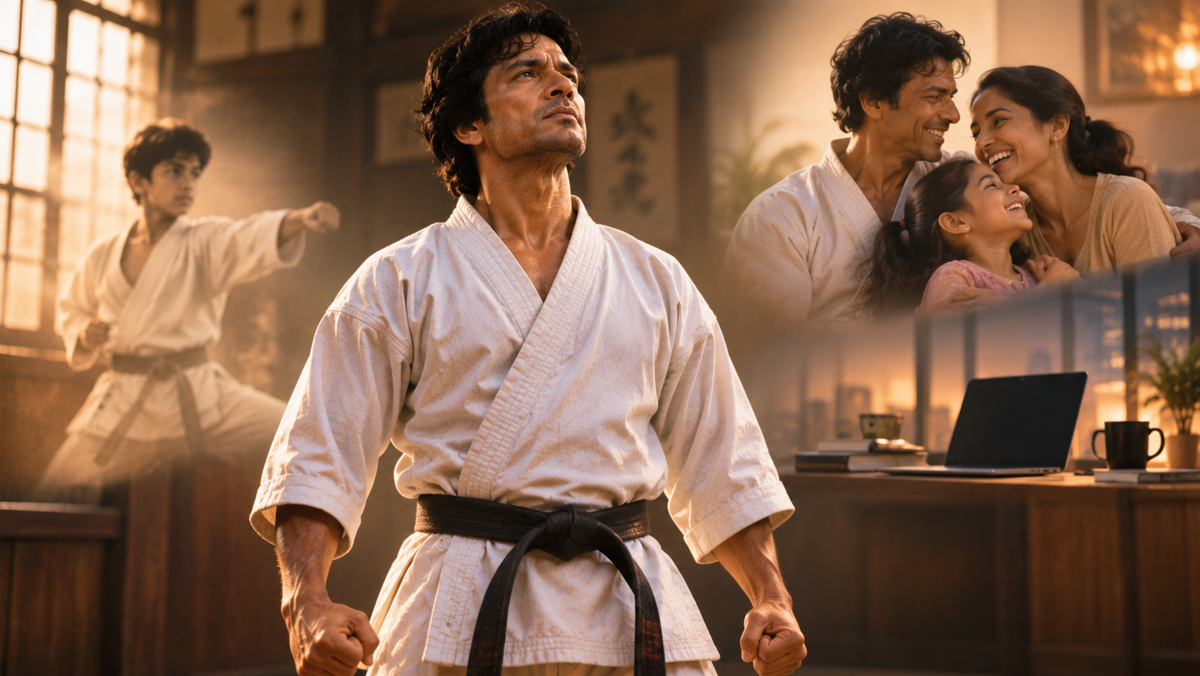
Life looks very different now than it did when I was 13. I have a career, a wife, a daughter, and responsibilities that compete for my time.
I also recognize that some of the confidence I had when I was younger has faded. I want to rebuild that confidence while improving my physical fitness and reconnecting with something I've always loved.
Returning to karate gives me an opportunity to do several things:
- Reconnect with my past without trying to recreate it.
- Find a community of people who share my interest in martial arts.
- Improve my fitness through training that challenges both my body and mind.
- Rebuild confidence by learning, practicing, and overcoming challenges.
- Pass something meaningful down to my daughter if she develops an interest in martial arts.
It's also why I started Shado Karate. I love karate, and I love writing, so this website gives me a place to combine those interests while documenting my journey back into training.
I don't know exactly where the project will go. But if it encourages another adult to return to karate, or helps someone discover the benefits of training for the first time, that would be worthwhile.
The Bottom Line: You Don't Have to Start Over. Just Start Again.
If you feel drawn to karate after years away, there's probably more behind that feeling than simple nostalgia. You may be missing the friendships, confidence, physical challenges, and sense of purpose that training once gave you.
My advice: Don't wait until you're fitter, younger, or less busy to begin.
- Start with five minutes of basic punches, blocks, or stances.
- Revisit a kata you remember from your earlier training.
- Follow a beginner-friendly karate workout at home.
- Consider joining a dojo when your schedule allows.
- Focus on consistency rather than trying to recreate your old performance.
I'm not trying to become the same karate practitioner I was as a teenager. I'm trying to discover what karate can mean to me at 40.
And perhaps that's the real reason so many of us feel drawn back after all these years.
Karate never really leaves you. Sometimes you just need to find your way back.